"Best for your money" sounds simple until you try to define it. A roof that costs less today can cost more over time, and a roof that costs more today can turn out to be the cheaper choice by the time it needs replacing again. What decides the answer is not the price on the estimate, it is that price divided by how many years the roof actually lasts.
Why the lowest bid and the best value are not the same thing
The lowest bid and the best value are not the same thing, because a roof's real cost only shows up over its full lifetime, not on installation day. A homeowner comparing quotes usually looks at the number on the estimate, but that number only prices the day the crew shows up. The material that costs more upfront might last two or three times as long as the one that costs less, which changes which one is actually the better deal.
The national 2025 Cost vs Value Report tracks two numbers for dozens of remodeling projects, including roofing: what homeowners pay, and what buyers actually value that project at when the house sells. Comparing those two figures, alongside how long each roof is built to last, gets closer to a real answer than comparing sticker prices alone.
What the national numbers show for asphalt and metal
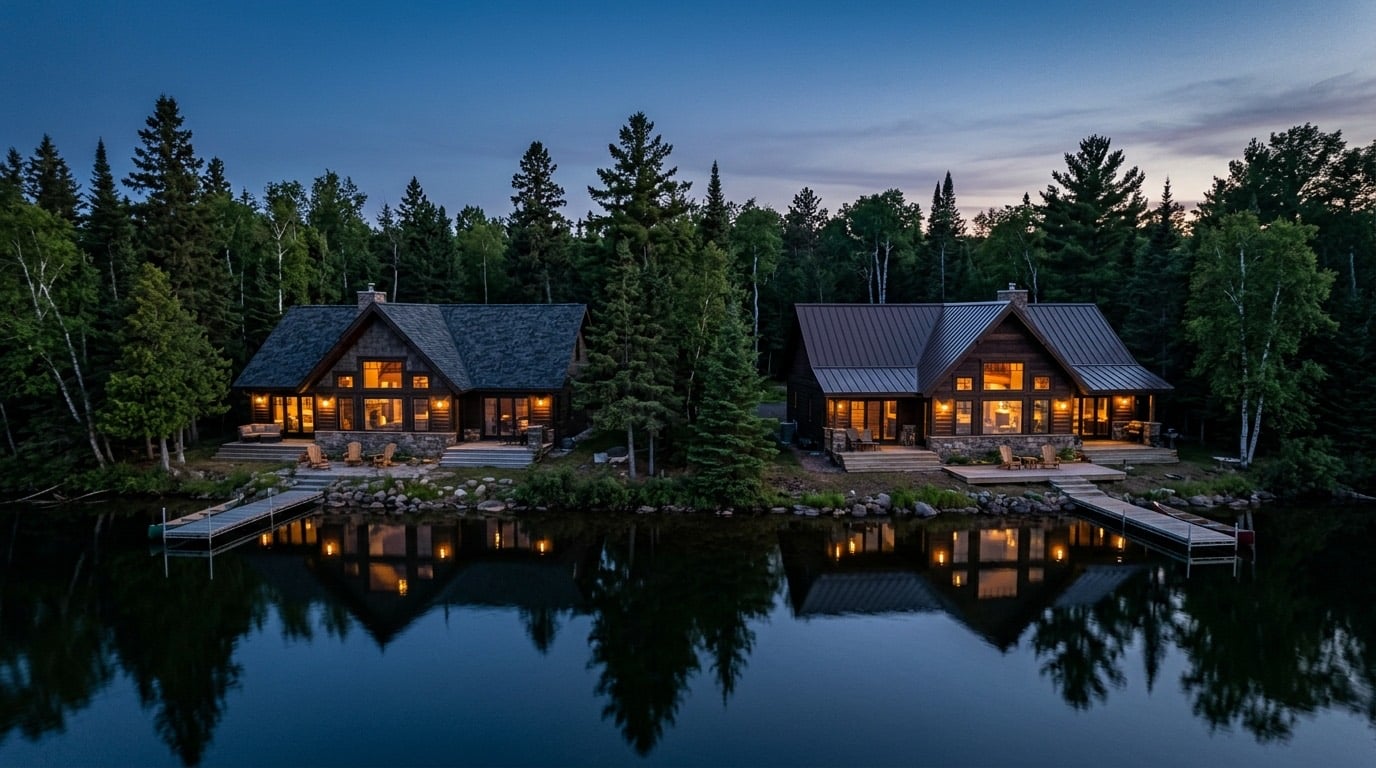
For a typical roof replacement, asphalt shingles cost less upfront and metal costs more, but metal is designed to last far longer, and that gap changes which one actually costs less per year.
The 2025 Cost vs Value Report puts the national average job cost for an asphalt shingle replacement at $31,871, with $21,501 of that recouped in resale value, a recoup rate of 68 percent. The same report puts a metal roof replacement at $51,865 nationally, with $25,972 recouped, a recoup rate of 50 percent.
By those numbers alone, asphalt looks like the better deal: the same report shows it leaves $10,370 unrecovered against metal's $25,893. That is the whole story only if you plan to sell soon after replacing the roof. It stops being the whole story once you count how many years each roof is expected to cover before it needs replacing again.
How lifespan changes which roof is the better deal
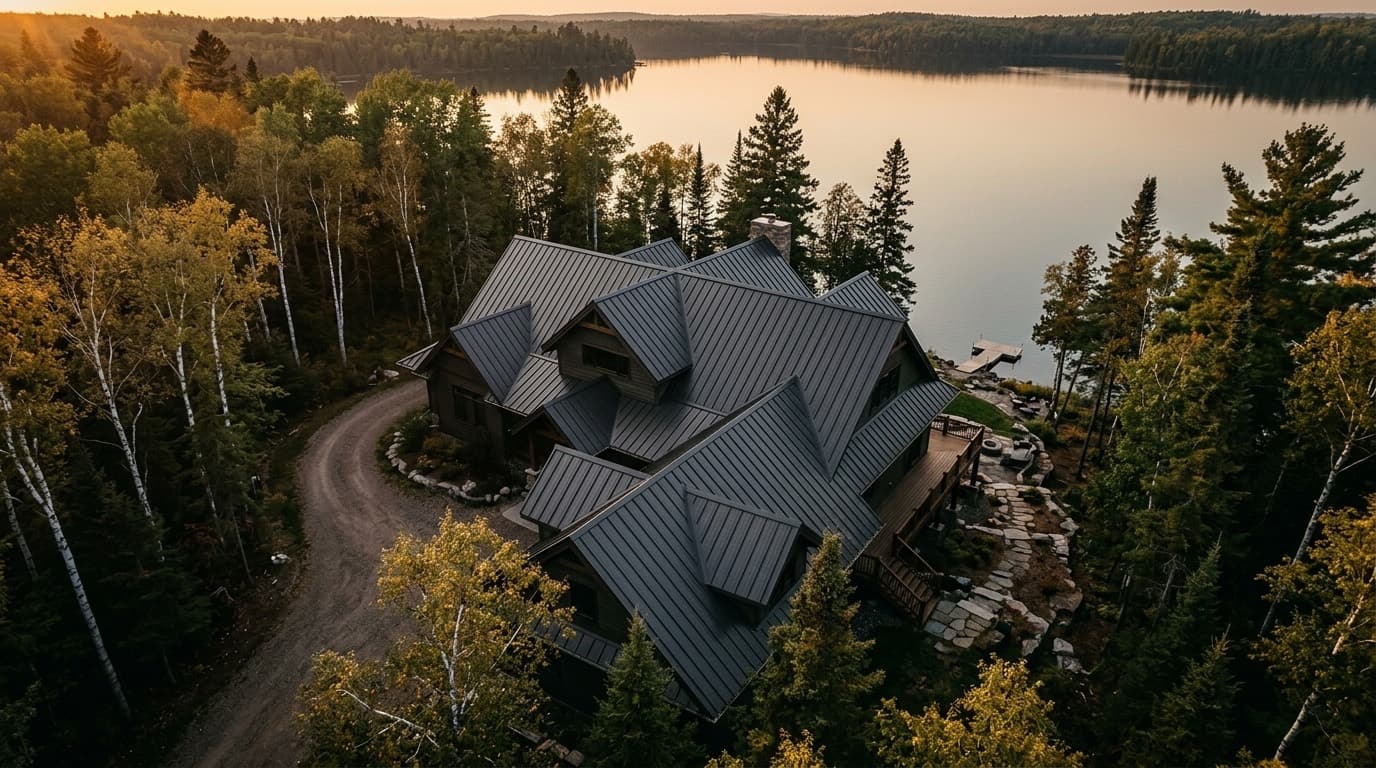
Spread over its full service life, a longer-lasting roof narrows or closes the cost gap, even when it costs much more to install. The Metal Roofing Alliance, the trade group for the metal roofing industry, says a metal roof typically carries a true 30 to 50 year, or longer, warranty, according to its FAQs. That is a reasonable figure to take at face value for what metal itself can do, since it describes its own product's durability rather than making a comparative claim about a competing material.
Divide the unrecovered cost by a rough number of years in service, and the picture shifts. Asphalt's real-world service life varies more than the warranty label suggests, but spread over a commonly cited range of 15 to 20 years, the $10,370 unrecovered per the Cost vs Value figures works out to somewhere around $520 to $690 a year. Spread over the 30 to 50 year service life claimed in the Metal Roofing Alliance's own FAQs, metal's $25,893 unrecovered works out to somewhere around $520 to $860 a year: a similar range, despite metal costing roughly 60 percent more to install.
What actually decides which one is worth it for you
How long you plan to own the house, and how it is priced, matters more than either material's reputation. A homeowner planning to sell within five to ten years gets more value from asphalt's higher resale recoup and lower upfront cost. A homeowner planning to stay for decades, or one weighing a standing seam metal roof against redoing an asphalt roof twice in the same span, gets more value from the material that only goes on once.
Neither answer is universal, and no published average replaces having the actual roof measured. Roof area, pitch, and complexity move both the job cost and the resale figure more than the material choice alone, and every dollar figure above is an industry-general range, not a quote: the real number comes from measuring the specific roof and is not binding until it is in a signed agreement.
Warning signs and when to call a professional
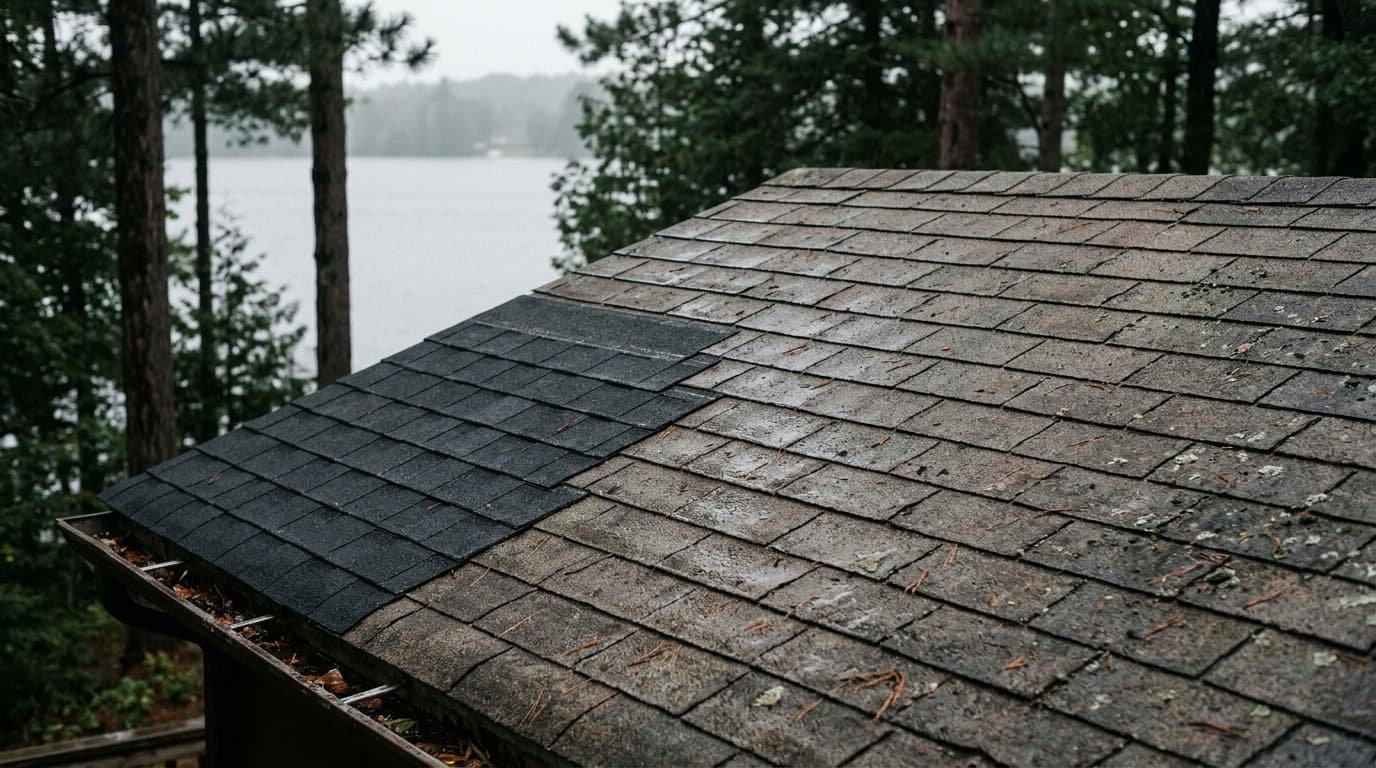
- Shingles that are curling, cracked, or missing outright
- Bald patches where granules have worn away, or granules collecting in gutters
- Rust, loose fasteners, or lifted seams on a metal roof
- Daylight visible through the roof deck from inside the attic
- Water stains on the attic ceiling, or sagging anywhere in the roofline
- A jump in heating or cooling bills with no other explanation
Any of these is a reason to have a licensed roofing professional inspect the roof from the ground and the attic. None of them is a reason to go up and look yourself.
The bottom line
There is no roof that is the best value for every homeowner, only the one that is the best value for how long you plan to own the house and what you can spend today. National data puts asphalt ahead on resale recoup and metal ahead on service life, and dividing cost by years of service often narrows the gap between them more than either sales pitch admits. Get the actual roof measured before comparing quotes: area, pitch, and complexity change both numbers more than the material does.
People also ask
Does a metal roof pay for itself when you sell?
Usually not entirely. The 2025 Cost vs Value survey found a metal roof replacement recouped about 50 percent of its cost in resale value nationally, versus about 68 percent for an asphalt shingle replacement. Metal's case rests more on how long it lasts than on resale.
How much more does a metal roof cost than asphalt shingles?
In the 2025 national data, a metal roof replacement costs about 1.6 times what an asphalt shingle replacement costs for a comparable job. The gap is wider or narrower depending on panel type and how much tear-off and prep work the two jobs already share.
Is the cheapest roof always the best value?
Not by itself. A cheaper roof that fails sooner can cost more per year of service than a pricier one that lasts decades longer. Compare cost against how many years of service a roof is actually expected to deliver, not only the number on the estimate.
Do national cost figures tell me what my roof will cost?
No. National and regional averages describe a specific model project. Your roof's actual price depends on its measured area, pitch, number of valleys and skylights, and material choice, and no number is binding until it is written into a signed agreement.
Sources
- 2025 Cost vs Value Report, National Averages, Journal of Light Construction
- FAQs, Metal Roofing Alliance