Sometimes. Most metal roofing carries a Class 4 impact rating, and many insurers discount Class 4 roofing because it resists hail better than standard asphalt shingles. The discount is not automatic, though: it depends on the insurer, the state, and the policy, and some insurers pair it with a cosmetic damage exclusion or move an aging roof to actual cash value coverage. Reading the policy and asking the agent is the only way to know what applies to a specific home.
Do insurance companies prefer metal roofs?
Many insurers rate metal roofing favorably because most of it earns a Class 4 impact rating, the highest tier in the industry's hail resistance classification. Class 4 is a laboratory rating, tested under the UL 2218 standard, that measures how well a roofing product resists cracking and splitting under hailstone-sized impacts. Insurers use it as a rough proxy for how likely a roof is to generate a hail claim, so Class 4 materials are more likely to qualify for a discount than materials with a lower rating or no rating at all.
A common mix-up is treating a long product warranty as proof a roof is storm tough. It is not the same thing.
Preferring a material is not the same as guaranteeing a discount. Some insurers fold the Class 4 rating into a lower base premium rather than a line-item, some offer no roofing discount at all, and most require proof before applying one. Ask your agent directly what your insurer needs to see.
What actually changes the premium
Two policy details usually matter more than the roofing material itself: whether the policy carries a cosmetic damage exclusion, and whether the roof is covered at replacement cost or actual cash value.
A cosmetic damage exclusion, sometimes called a cosmetic loss endorsement, removes coverage for damage that changes a roof's appearance without affecting its function, such as a hail dent that does not crack, puncture, or leak. The Minnesota Department of Commerce has warned that some insurers now limit wind and hail coverage to damage that punctures or tears the roof covering, and that state law does not specifically address cosmetic exclusions, so whether one applies depends on the individual policy. Review the policy for this language and ask the agent directly, since such changes often appear quietly at renewal.
Coverage type matters just as much. Replacement cost pays to install a new roof of similar kind and quality, while actual cash value subtracts depreciation for age and wear first, so an older roof is worth less in a claim, per the National Association of Insurance Commissioners. Wisconsin's own consumer guide notes that added protections like guaranteed replacement cost are often unavailable on older homes. Ask which coverage type applies to the roof specifically.
What is different in Minnesota and Wisconsin
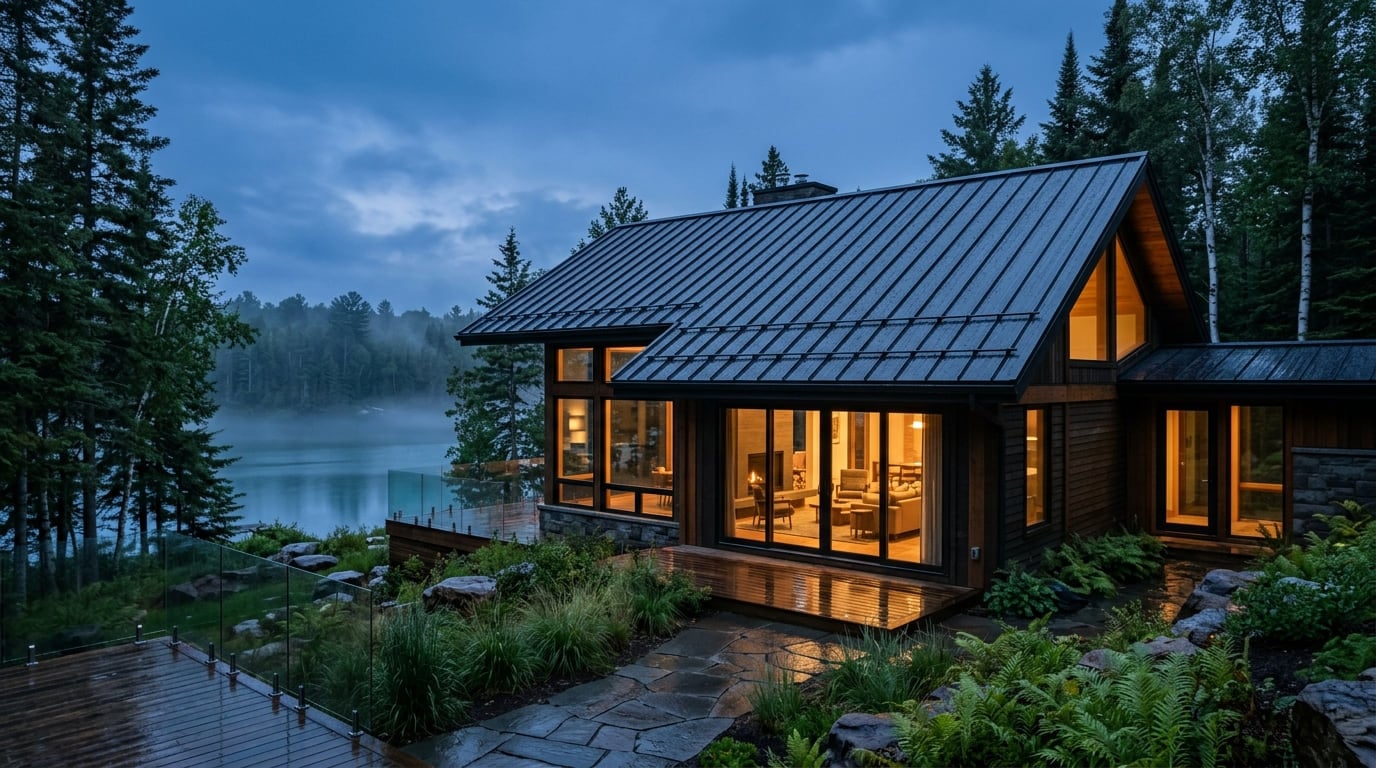
Regional weather shapes both the premium and the roof's performance. Minnesota and Wisconsin roofs face repeated freeze and thaw cycles, ice damming, heavy snow load, hail, and, near lakes, sustained wind, all inside a shorter building season than warmer climates allow.
The Minnesota Department of Commerce has flagged coverage limiting language and cosmetic exclusions as a growing issue, and confirmed state law sets no floor on how far an insurer can narrow wind and hail coverage. Wisconsin regulates renewals more directly: its consumer guide notes an insurer generally must mail notice before raising rates or adding less favorable terms at renewal. In both states, a roofing discount, a cosmetic exclusion, and a shift to actual cash value move independently of each other, so qualifying for one says nothing about the others.
What makes a roof uninsurable?
No single feature makes a roof uninsurable on its own. Insurers weigh a combination of age, documented condition, and claims history, not age by itself. A roof with the following signs is more likely to draw a decline, a higher premium, or a required inspection:
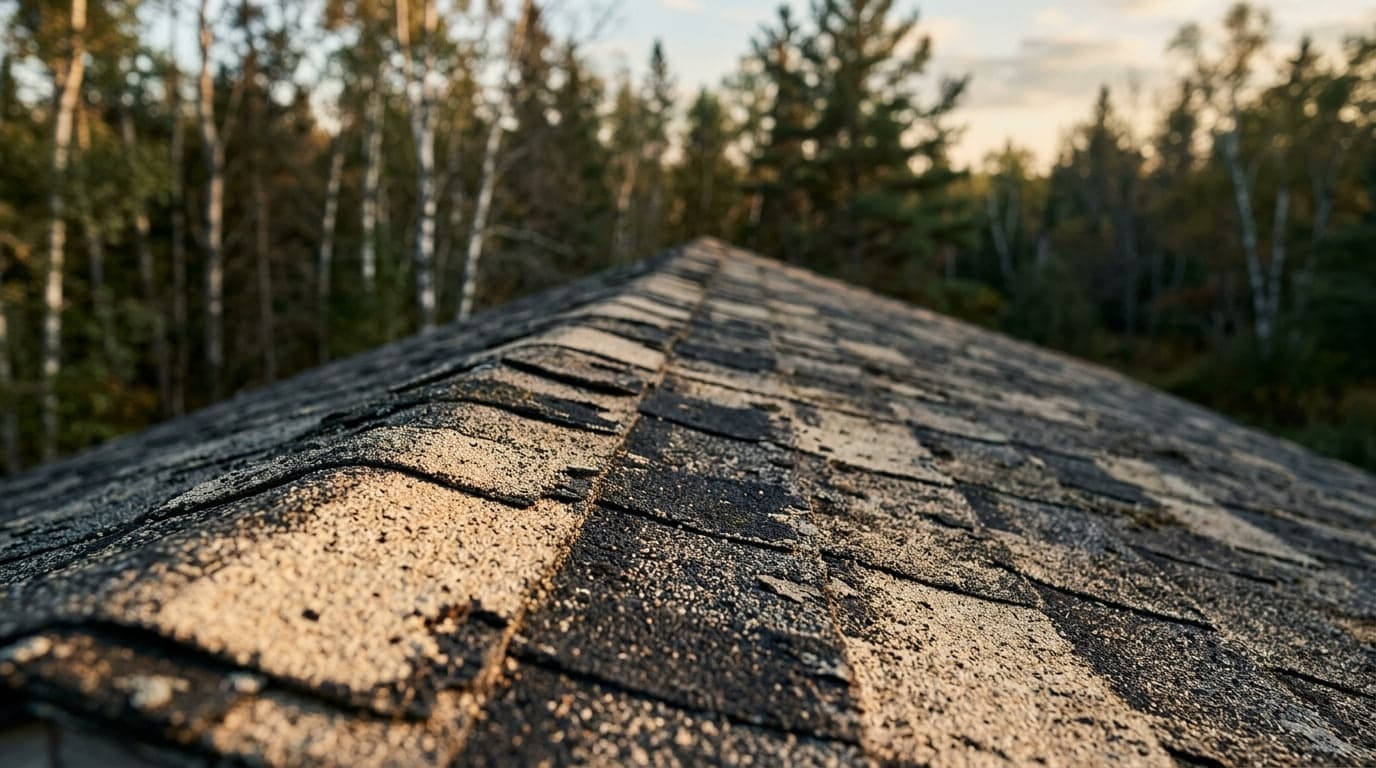
- Missing, curling, or visibly worn roofing material
- Active leaks or water stains on interior ceilings
- A sagging or soft-feeling roof deck
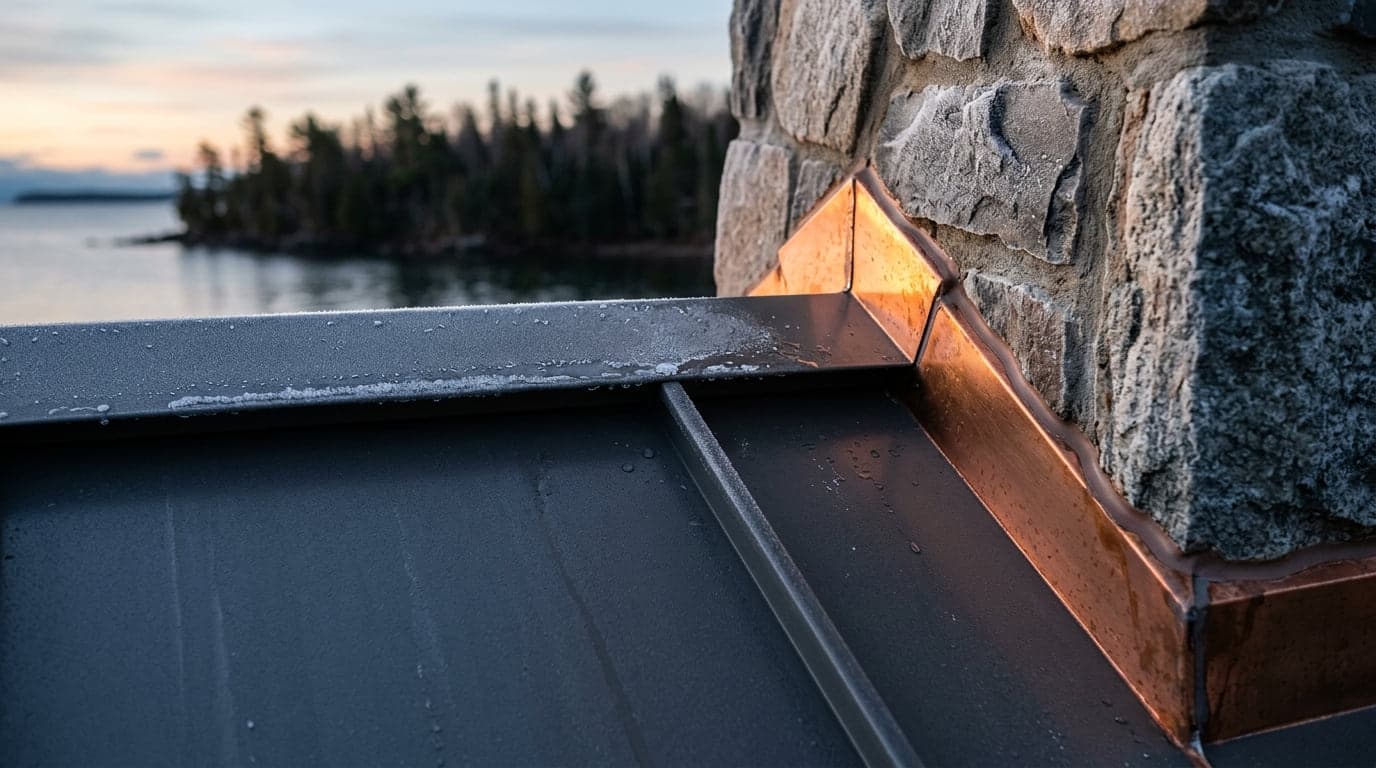
- Rusted flashing or deteriorated seals around vents and fasteners
- No record of when the roof was installed or what it is made of
- A pattern of prior claims for the same recurring problem
A well-documented roof in good condition generally fares better in underwriting than an undocumented one, whatever its age.
Will insurance cover a 20 year old roof?
It depends on the insurer and the roof's documented condition, not a single cutoff that applies everywhere. Many insurers shift older roofs to actual cash value coverage, and some ask for a fresh inspection or a licensed contractor's assessment before renewing.
For a 20 year old roof, ask the agent whether it still qualifies for replacement cost, whether an inspection could change that, and what documentation the insurer wants. A licensed contractor, not the homeowner, should be the one to get on the roof and produce it.
What to ask your agent before and after a re-roof
Before signing anything, ask whether the policy discounts Class 4 or impact-resistant roofing and what proof it requires, whether a cosmetic damage exclusion applies to wind or hail claims, and whether the roof will be covered at replacement cost or actual cash value.
After the work is done, most insurers want a few basic records on file:
- The product's Class 4 or UL 2218 rating, usually shown on the manufacturer's label or data sheet
- The contractor's invoice or certificate of completion, showing the installation date
- Photos of the finished roof for the homeowner's own records
These rules differ by company, state, and policy form, so reading the declarations page and asking the agent directly is the only reliable way to know what a policy actually does.
The bottom line
A metal roof often qualifies for a real insurance discount because of its Class 4 impact rating, but the discount is never guaranteed and its size is not standardized. Whether a cosmetic damage exclusion applies, and whether an aging roof still qualifies for replacement cost, matter as much as the roofing material itself. Minnesota and Wisconsin add their own layer of freeze and thaw cycles, hail, and wind exposure on top of those policy details. Reading the policy and asking specific questions before and after a re-roof remains the most reliable way to know what any individual policy actually pays for.
People also ask
How do insurance companies feel about metal roofs?
Generally favorable, because most metal roofing earns a Class 4 impact rating. That does not always translate into an automatic discount: some insurers price it into a lower base premium instead of a line-item discount, and many pair it with conditions like a cosmetic damage exclusion or documentation requirements. Ask your agent how your insurer treats it.
Do insurance companies prefer metal or shingle roofs?
Insurers generally favor whichever material carries the higher impact rating. Most metal roofing reaches Class 4, while standard asphalt shingles usually carry a lower rating, though upgraded impact-rated asphalt can also reach Class 4. The rating matters more than the material, so a Class 4 asphalt roof and a Class 4 metal roof are often treated the same way.
Will insurance cover a 25 year old roof?
Possibly, but many insurers shift roofs that age to actual cash value coverage instead of replacement cost, and some require an inspection before writing a new policy. A well-documented roof, especially one with a Class 4 rating and clear proof of installation, stands a better chance than one with no records. Ask your agent what your policy allows.
Sources
- Consumer Alert: MN Commerce Advises Homeowners to Review Insurance Policies, Minnesota Department of Commerce
- What's the Difference Between Actual Cash Value Coverage and Replacement Cost Coverage?, National Association of Insurance Commissioners (NAIC)
- Consumer's Guide to Homeowners Insurance (PI-015), Wisconsin Office of the Commissioner of Insurance